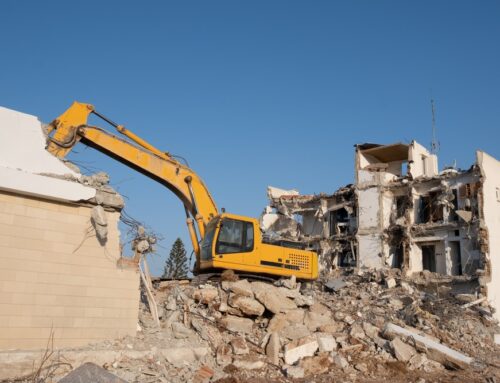
If you are thinking of having your pool removed, you are part of a growing trend in Australia.
In this guide, we take a look at the reasons homeowners in the North Coast region are going for swimming pool removal. We explain how the removal method depends on the pool type, outline what you need to know about approvals and permits, and step you through the end-to-end pool removal process.
So, read on to understand what you should expect with a North Coast pool removal.
Why Remove a Swimming Pool?
It is quite common for householders to decide they no longer want their swimming pool. The primary reason appears to be that changing lifestyles and, often, a grown-up family, mean the pool is unused.
Other reasons include:
- Safety concerns
The drowning risk for young children or elderly relatives. - The cost
The price for chemicals is increasing, and the ongoing maintenance of an unloved swimming pool uses up valuable time, too. - Aesthetics
Simply put, the outdated swimming pool and surrounding area don’t match the modern property design. - Additional usable backyard space
When the pool is gone, you will gain a large extra outdoor area.
Types of Swimming Pools and Removal Methods
There are three main types of swimming pools found across the North Coast. The construction materials used affect the demolition approach and the labour and equipment required for the removal project.
Concrete Pool Removal
A concrete pool is the most common type across the North Coast region. The concrete materials indicate that heavy-duty equipment, such as excavators and concrete saws, will be required to remove them.
- The demolition approach will include:
- The use of specialised cutting tools to break up the structure.
- Cutting up and removing the steel reinforcement bars.
- The large amount of heavy debris will require more trucks for transport and disposal.
- Expect a longer timeframe compared to other pool types.
Fibreglass Pool Removal
Fibreglass is a much lighter material, requiring different removal techniques:
- Sometimes, the entire shell can be lifted out in a single piece using a crane.
- Cutting up the frame is still likely for larger pools.
- Expect less debris than concrete pools
- Fibreglass must be disposed of at designated waste management facilities
Vinyl Liner Pool Removal
With a metal or polymer frame beneath the liner. The complexity of a vinyl liner pool removal is somewhere between that of a concrete or fibreglass pool:
- The liner must be drained and stripped away as a first step.
- The supporting framework will be cut up and removed.
- There is normally less waste than for a concrete pool.
Permits and Approvals for Pool Removal in NSW
Generally, you must have formal approval from your local authority before beginning work to remove a swimming pool.
When Do You Need Council Approval?
Requirements vary across local councils, but assume you will need to submit documentation:
- A registered pool will typically require a Development Application (DA) or a Complying Development Certificate (CDC).
- Portable pool removal often doesn’t require approval.
- Heritage properties may require additional permissions.
Complying Development vs Development Application
- The more streamlined CDC process is followed for most standard pools
- A DA is most often needed for more complex sites
- It can take 2-4 weeks to process a CDC and 6-10 weeks for a DA
- A professional, local demolition contractor will be familiar with the approval process and can guide you.
The Pool Removal Process
Here’s your step-by-step breakdown of a professional pool removal, so you’ll know what to expect. Most removals require site access for equipment and for trucks to collect waste, so tight, narrow or other access issues can extend the project timeline.
Initial Assessment and Planning
A professional contractor will inspect your property:
- They will review the pool construction type, size, and site accessibility.
- Underground services and utilities will be located and marked before work starts.
- Expect assistance in getting relevant permits and approvals.
- A demolition plan tailored to your pool and site will be prepared, along with your free quote.
Disconnection and Draining
- The pool has been drained, and the water has been disposed of safely in compliance with environmental guidelines.
- Electricity, gas and water services must be disconnected and capped or removed.
- All pool-related equipment, such as heating systems and fitration is removed.
Demolition and Removal
- The pool structure is cut into smaller, manageable pieces.
- Specialised equipment may be used, particularly for heavier, concrete pools.
- All debris will be removed and transported to disposal sites
- Waste materials are recycled, if possible.
Backfilling and Compaction
- Suitable fill material is selected for the particular site conditions.
- Compaction of the fill is typically performed in layers no more than 30cm.
- The final grading often matches the surrounding area.
Planning Your North Coast Pool Removal
Removing your swimming pool is a big decision. Whether you’re looking to reclaim outdoor space, reduce ongoing maintenance costs, or prepare your property for future construction, understanding the pool removal process helps you have a successful outcome.
At North Coast Demolition, we are trusted by property owners along the North Coast from Gosford to Tweed Heads for our years of experience and fast, efficient swimming pool removal services.