Soil contamination is more common than most people realise, particularly on the North Coast of NSW, where a mix of agricultural, industrial, and coastal development has left its mark.
This article describes the causes and types of site contamination, as well as some common site remediation approaches. We also take you through the phases of a typical North Coast soil remediation project so you will know exactly what to expect.
Read on to discover why contaminated land matters to property owners, developers, and land managers from Gosford to Tweed Heads.

What Is Soil Remediation?
Soil remediation removes or neutralises contaminants in soil to restore it to a safe, usable condition.
- The process restores land to a safe condition for its intended use
- Remediation is often required by state and local environmental regulations before land can be developed or sold
- It can apply to residential, commercial, and industrial properties
How Does Soil Become Contaminated?
The two major categories are point-source contamination (a specific, identifiable location such as a leaking tank) and diffuse contamination (spread over a wider area, such as agricultural chemical runoff).
Contamination is not always visible and can go undetected for years or even decades. Historical land use is often the biggest clue, for example, former petrol stations, orchards, dry cleaners, or timber mills.
Industrial and Commercial Activities
- Chemicals used in manufacturing and processing. Fuel storage and underground tank leaks
- Mining and metal extraction.
- Waste disposal and old landfill sites
Agricultural Land Use
- Pesticides and herbicides remain after many years of use
- The runoff of fertiliser into the surrounding soil and groundwater
- Irrigation using contaminated water
- The storage and disposal of agrichemicals on-site
Demolition and Construction Activity
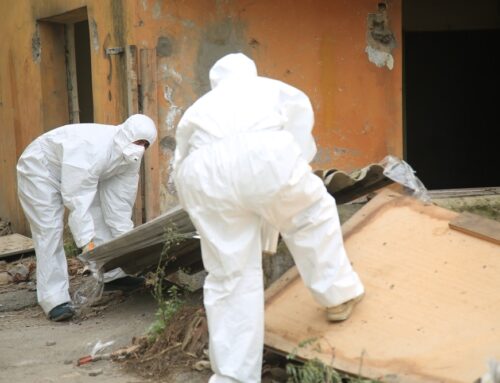
- Asbestos-containing materials disturbed or damaged during construction or demolition
- Lead paint from older structures is entering the surrounding soil
- The spillage of fuels and hydraulic fluids from machinery
- Improper disposal of construction waste on-site
Common Soil Contaminants
The main types of contaminants found on Australian sites:
- Heavy Metals
- Lead, arsenic, cadmium, chromium, and zinc are the most commonly found
- Often linked to historical industrial activity
- Can remain in soil for decades and pose serious risks to health
- Especially concerning if future plans for the land include residential development
- Petroleum Hydrocarbons
- Includes petrol, diesel, oils, and related compounds
- Often associated with previous land use, such as service stations, workshops, and storage depots
- Can quickly and easily migrate into groundwater if left untreated
- Asbestos in Soil
- Can be present as non-friable (bonded) or friable material mixed into fill or topsoil
- Often found on older residential and industrial sites across NSW
- Regulated under strict guidelines by the EPA and Safe Work NSW, and requires removal and disposal by licensed contractors
- Solvents and Chemicals
- Chlorinated solvents from dry cleaning and degreasing operations
- Pesticides and herbicides remaining on the land from agricultural and horticultural use
Soil Remediation Approaches
The most appropriate approach depends on the type and concentration of contaminants, site conditions, and the intended future use of the land.
A combination of the following methods is often required.
Excavation and Off-Site Disposal
- The physical removal and disposal of soil
- Contaminated soil is taken to a licensed waste facility for treatment or disposal
- This method is most appropriate where contamination is concentrated and shallow
- Although fast and effective, it can be costly for large volumes
Bioremediation
- Contaminants are broken down with the use of microorganisms
- This approach is particularly effective for petrol and oil contamination
- Can be conducted entirely on-site, reducing transport costs
- Slower than excavation but less disruptive
Chemical Treatment
- The injection of chemical agents to neutralise or immobilise contaminants
- Useful for treating chlorinated solvents and heavy metals on-site
- Requires precise application by experienced environmental engineers
- Follow-up monitoring is needed to confirm successful treatment
Soil Washing and Stabilisation
- Soil washing separates contaminants using water and chemical solutions
- Stabilisation binds contaminants to reduce their mobility and toxicity
- Both methods can reduce the volume of waste requiring disposal
- Often used in combination with excavation
The Soil Remediation Process: Step by Step
Although each project is unique and the process is guided by site-specific data, these are the phases you should expect in a typical soil remediation project on the North Coast.
Site Assessment and Soil Testing
- An initial review of historical land use and potential contamination sources
- Soil samples are sent for laboratory analysis to identify contaminants and concentrations
- The results are used to determine the scope and method of remediation
Remediation Planning and Approvals
- Development of a Remediation Action Plan (RAP) based on investigation findings and laboratory analysis
- The RAP is part of the documentation submitted to the relevant council or NSW EPA for approval, if required
- Plan waste classification, transport, and disposal logistics
Remediation Works
- Equipment and personnel arrive on site
- Execution of the approved remediation method begins (excavation, treatment, or a combination)
- A supervisor maintains strict controls on dust, runoff, and cross-contamination during works
- Ongoing monitoring confirms the effectiveness of treatment
Validation and Sign-Off
- Post-remediation soil sampling to confirm contaminant levels are as expected
- Preparation of a Validation Report for submission to the council or the EPA
- Site cleared for its intended use once validation is confirmed
- Records retained for property transactions in the future
North Coast Site Remediation: Work With a Licensed Team
At North Coast Demolition, we are the team locals recommend for our experience and ability to manage the entire North Coast site remediation process from assessment to validation.
We are locals, too. We have managed residential, commercial, and industrial sites, and we know the current local authority regulations from Gosford to Tweed Heads.
Contact our team today to discuss your project.