Thinking about knocking down a building or structure?
A demolition project isn’t as simple as bringing in an excavator and tearing things down. From council approvals to waste disposal, there are rules, risks, and costs you’ll want to understand before you start. Here are five key things to know so your demolition runs smoothly from start to finish.
1. You’ll Probably Need Council Approval
In most cases, you can’t just demolish a structure without permission. Local councils often require a Development Application (DA) or Complying Development Certificate (CDC) before work can begin.
The rules vary depending on:
- The type and size of the structure.
- The location and zoning of the property.
- Whether the property has heritage protection.
Skipping this step can lead to big fines and project delays.
Tip: Work with a demolition company that understands North Coast council processes. They can handle the paperwork and liaise directly with council to keep things moving.
2. Asbestos Must Be Removed By Licensed Professionals
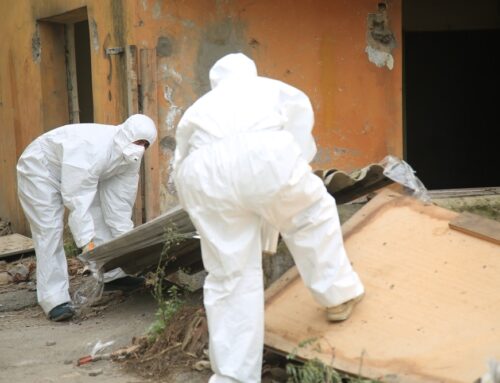
If your building was built before the mid-1990s, there’s a high chance it contains asbestos – especially in roofing, wall sheeting, insulation, or floor tiles.
Asbestos removal is highly regulated in NSW for good reason. Exposure can cause serious long-term health issues, and handling it without the proper licence is illegal.
A professional demolition team will:
- Inspect the property for asbestos before work starts.
- Arrange for safe, compliant removal by licensed asbestos specialists.
- Provide the correct clearance certificates so you can move forward without risk.
Bottom line: Don’t cut corners. Safe asbestos removal protects workers, neighbours, and the environment.
3. Site Access Can Make or Break Your Timeline
Not every demolition site is easy to get to. Narrow driveways, steep blocks, trees, powerlines, or neighbouring buildings can slow the job down and potentially increase costs.
Before work starts, your demolition contractor should inspect the site and plan around these challenges. This might mean:
- Utilise smaller machinery for access in tight areas.
- Scheduling partial manual demolition before heavy machinery moves in.
- Organising temporary removal of fences or obstacles for easier entry.
Tip: Local contractors often know how to work within the North Coast’s unique access issues, saving you time and avoiding headaches.
4. Waste Disposal Must Be Responsible and Compliant
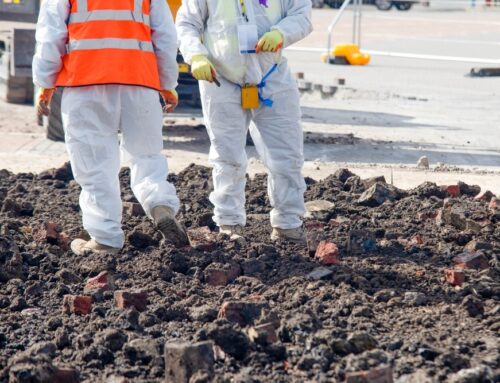
A demolition job produces a lot of waste: bricks, concrete, metal, timber, insulation, and more. NSW has strict guidelines for where and how this waste can be disposed of.
The best contractors will:
- Sort materials on-site to separate recyclables.
- Use EPA-approved recycling and disposal facilities.
- Provide waste tracking documentation for compliance.
Not only is responsible disposal better for the environment, but it can also reduce landfill fees and keep your project cost-effective.
5. Choosing the Right Contractor is Everything
The right demolition team can be the difference between a straightforward project and a stressful, drawn-out process. Look for:
- Full licensing and insurance.
- Clear, itemised quotes – no hidden extras.
- Strong safety record.
- Knowledge of local regulations and council requirements.
Warning sign: If a quote is significantly cheaper than others, find out why. It could mean shortcuts on safety, compliance, or waste disposal — all of which can cost you more in the long run.
Extra Considerations for a Smooth Project
Neighbour Notifications
Depending on your location and council rules, you may need to let neighbours know about your demolition in advance. This is especially important in built-up areas where dust, noise, and vibration may be a concern.
Utility Disconnections
Before demolition begins, all essential services like water, gas, electricity, and telecommunications must be disconnected by licensed providers. Your demolition contractor can coordinate this to avoid delays.
Timeline Expectations
While some small jobs can be done in a few days, larger or more complex demolitions (especially those involving asbestos removal or difficult access) can take longer. Make sure your contractor gives you a realistic timeline from the outset.
Final Word
A successful demolition project is about planning as much as it is about pulling things down. By understanding the approvals, safety requirements, and waste disposal processes, you’ll save yourself time, money, and stress.
At North Coast Demolition, we handle everything from council applications and asbestos removal to responsible waste recycling, so you can get on with your plans for the site.
Ready to start your demolition project?